The Hidden Risks of Delaying Macular Degeneration Treatment
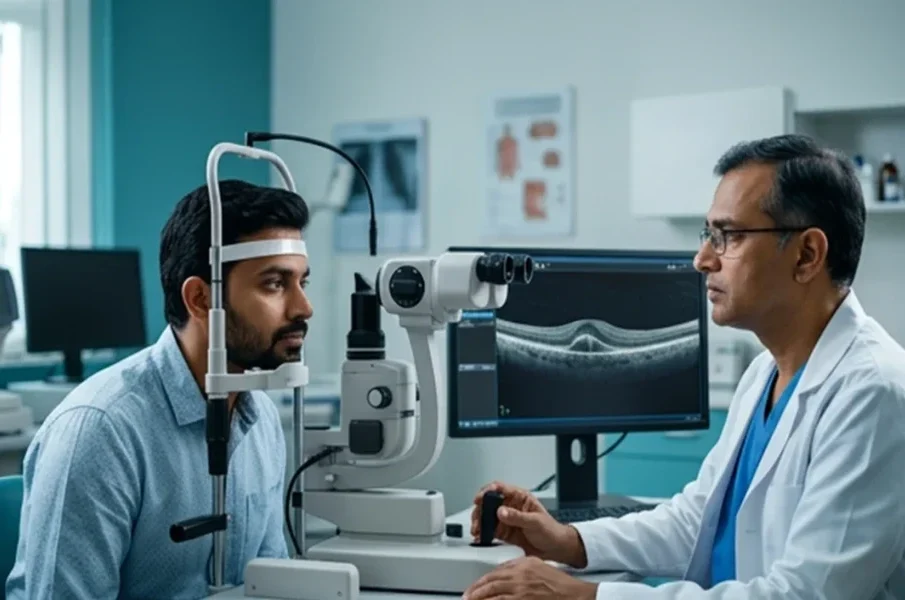
Age-related macular degeneration (AMD) affects the macula, the part of the retina responsible for sharp central vision. Because early AMD may cause few or no noticeable symptoms, some people may postpone an eye examination or treatment until their vision changes significantly.
However, delaying appropriate care can allow certain forms of AMD to progress and make vision loss more difficult to manage. Understanding the potential consequences of delayed private AMD care can encourage people to seek timely assessment and discuss appropriate treatment options with an eye specialist.
1. Progressive Vision Loss May Go Unnoticed
One of the challenges of AMD is that it can develop gradually. Early-stage disease may produce little noticeable change, allowing a person to continue daily activities without realising that the macula is being affected.
Regular eye examinations can detect changes before significant symptoms appear. This is particularly important because AMD can progress differently from person to person, with some forms developing faster than others.
2. Wet AMD Can Progress Quickly
Wet, or neovascular, AMD is a late form of the condition associated with abnormal blood vessel growth beneath or around the macula. These vessels can leak fluid or blood, potentially causing relatively rapid damage to central vision.
Unlike early dry AMD, wet AMD has established treatments that can slow or stop further vision loss. Anti-VEGF injections are commonly used, while photodynamic therapy may be appropriate in selected cases.
For people diagnosed with wet AMD, postponing recommended treatment can therefore mean allowing active disease to continue affecting the macula.
3. Everyday Activities Can Become More Difficult
Central vision is essential for tasks that require fine visual detail. As AMD progresses, people may have increasing difficulty reading, recognising faces, driving, preparing food, or performing close-up activities.
The National Eye Institute notes that late AMD can interfere with central vision needed for reading, driving, and recognising familiar faces.
Seeking private age related macular degeneration management promptly when recommended may help patients understand their condition and discuss available options before vision loss significantly interferes with daily routines.
4. Treatment Opportunities May Be Missed
Not every type or stage of AMD requires the same treatment. Some people may need monitoring, lifestyle changes, or nutritional supplementation, while others with wet AMD may require injections or other interventions.
For intermediate AMD, AREDS2 supplements may help slow progression in appropriate patients. Wet AMD, meanwhile, can be treated with anti-VEGF injections and, in selected cases, photodynamic therapy.
This makes an accurate diagnosis important before deciding whether treatment is necessary.
5. Vision Loss Can Affect Independence
As central vision deteriorates, activities that once seemed simple can become challenging. People may need assistance with household tasks, transportation, reading, or managing personal affairs.
AMD does not usually cause complete blindness, but advanced disease can substantially affect central vision and independence. Vision rehabilitation and low-vision devices may help people adapt when significant vision loss has already occurred.
6. The Other Eye May Also Be at Risk
AMD can affect one or both eyes. Having late AMD in one eye can increase the risk of developing late AMD in the other eye, making ongoing monitoring particularly important.
A specialist can monitor both eyes and identify changes that may require further investigation. For this reason, delaying appointments after an AMD diagnosis can mean missing important changes in the eye that initially appears less affected.
When Should You Seek Assessment?
People with known AMD should follow the monitoring schedule recommended by their eye specialist. New or worsening central blurring, distorted straight lines, blank spots, or other sudden changes in vision should not be ignored.
For individuals considering private age related macular degeneration treatment, a consultation can provide an opportunity to review the type and stage of AMD, examine retinal changes, and discuss suitable management options.
Why Timely Follow-Up Matters
Treatment for AMD is not necessarily a one-time intervention. Wet AMD commonly requires repeated anti-VEGF injections, with treatment intervals determined by the patient’s response and clinical assessment.
Keeping appointments allows the eye specialist to monitor disease activity and adjust management when necessary. Missing scheduled follow-ups can make it harder to identify changes promptly.
Conclusion
Delaying assessment or recommended treatment for AMD can allow vision-threatening changes to progress unnoticed, particularly in wet AMD. Early evaluation gives patients a clearer understanding of their condition and whether monitoring, supplements, injections, or other management approaches are appropriate.
Private age related macular degeneration treatment can be discussed with an eye specialist based on the individual’s diagnosis and needs. Most importantly, new or worsening vision changes should be assessed promptly rather than assumed to be a normal part of aging.