
When to Seek Help for a Sports Injury
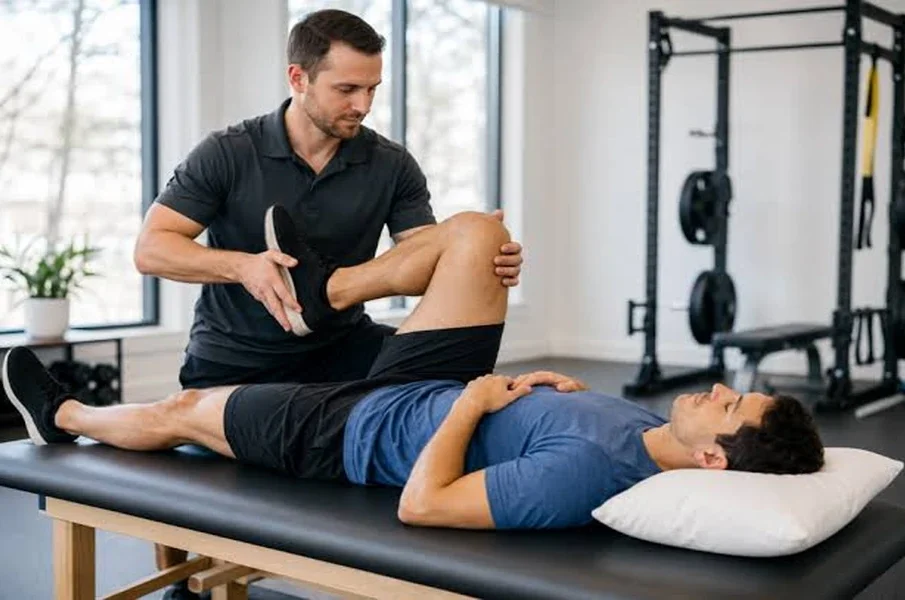
Sports injuries range from mild soreness after unfamiliar activity to problems that need prompt medical attention. Knowing what happened and how your symptoms change can help you choose the right next step. A gradual return to sport matters too, since feeling impatient to resume play does not mean the body is ready for full demands.
Recognise when an injury needs assessment
Stop the activity if you feel sudden severe pain, hear a pop followed by loss of function, develop major swelling, see a deformity, or cannot put weight on an injured limb. These signs may require urgent assessment to rule out a more serious injury. A clinician can advise whether imaging or another type of treatment is needed.
Do not continue training through pain that is worsening or changing how you move. Persistent or recurring symptoms also deserve review, particularly when they affect sleep, work, or ordinary activities. Early assessment can clarify what kind of care is appropriate.
Treat head injuries with particular care
A concussion can follow a hit to the head, face, or body, and a person does not need to lose consciousness to have one. Headache, dizziness, nausea, confusion, difficulty concentrating, or sensitivity to light may occur. Symptoms can appear later, so monitor changes and do not return to play on the same day if a concussion is suspected.
Seek medical help for a suspected concussion. Loss of consciousness, seizure, repeated vomiting, a severe or worsening headache, neck pain, or weakness and tingling are emergency warning signs. In Ontario, athletes with suspected concussion should receive assessment and follow medical clearance requirements before unrestricted return to sport.
Choose care that matches the problem
People searching for sports medicine collingwood should consider whether they need injury diagnosis, rehabilitation, or help managing musculoskeletal symptoms. These are different needs. A manual therapy practitioner may offer hands-on care for some movement concerns, but should not be substituted for medical assessment when a fracture, concussion, or significant tissue injury is possible.
Ask what the practitioner is qualified to assess, what treatment involves, and how the plan connects to a safe return to activity. For ongoing rehabilitation, a physiotherapist or other clinician may be part of the care team. Clear communication between providers can help avoid conflicting advice.
Return gradually
Once serious injury has been ruled out and symptoms are settling, increase training in stages. Begin with a level you can complete without a significant flare and build duration or intensity over time. Follow the advice of the clinician managing your injury, especially after concussion or a major sprain.
Keep a record of practice load and symptoms. If pain increases, movement becomes limited, or symptoms return at each step, pause and ask for a review. Returning safely is more useful than rushing back for one game and losing more time to a setback.


