Alcohol, Junk Food and Liver Health: Everyday Habits That Matter and Where Ayurvedic Herbs Fit
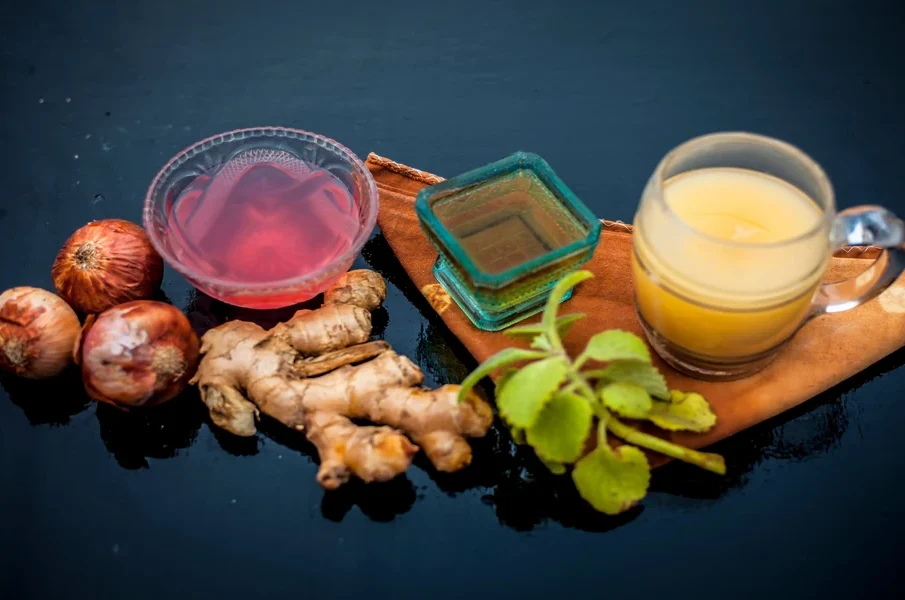
Liver trouble does not always begin with a dramatic warning sign. Sometimes the story is far more ordinary: drinks after work becoming a regular habit, takeout replacing home-cooked meals, sugary beverages creeping into the day, and movement becoming something reserved for weekends.
None of these habits in isolation tells you that something is wrong with your liver. But over time, the pattern matters. That is also why the popular idea of “detoxing” after a heavy weekend misses the bigger picture. Your liver is already doing the detoxification work. What it needs most is not an occasional cleanse, but fewer things working against it every day.
Alcohol affects the liver long before many people feel anything
Alcohol is processed primarily by the liver, and regularly drinking too much can lead to fat accumulating inside liver cells.
The US National Institute on Alcohol Abuse and Alcoholism notes that fatty change, or steatosis, is the earliest form of alcohol-related liver injury and is extremely common among people who drink heavily. At this stage, reducing or stopping alcohol can allow the liver to recover, but continued heavy drinking increases the risk of inflammation and more advanced damage.
The tricky part is that fatty liver can be silent, which makes “I feel fine” a poor measure of liver health. And if someone already has metabolic fatty liver, alcohol becomes an even more relevant consideration.
“Junk food” matters less as a label and more as a pattern
One burger does not create fatty liver. Neither does one dessert. The concern is what happens when highly processed food, sugary drinks and refined carbohydrates become the default way of eating.
The NIDDK’s dietary guidance for fatty liver recommends limiting foods and drinks high in simple sugars, particularly fructose, while favouring whole grains and other lower-glycaemic foods.
The research is beginning to show why that broader pattern matters. A 2024 prospective study following more than 170,000 UK Biobank participants found that people consuming more ultra-processed food had a higher risk of developing fatty liver and other adverse liver outcomes. Importantly, this was an observational study, so it shows an association rather than proving that any single processed food directly causes liver disease. So the useful takeaway is not “never eat junk food again.” It is to notice what has become routine.
The boring habits are often the ones that matter most
When liver health is discussed online, supplements tend to get more attention than walking, portion sizes or what you drink with lunch.
Clinical guidance is much less glamorous.
The American Association for the Study of Liver Diseases highlights lifestyle change as a central part of managing metabolic fatty liver. Weight reduction can improve liver fat in people who are overweight, while dietary changes and regular physical activity are core parts of care. AASLD’s 2025 overview of steatotic liver disease also recommends both aerobic and resistance exercise.
In practice, that can look fairly ordinary: walking more often, replacing sugary drinks with water, eating fewer heavily processed meals and reducing alcohol. No single habit needs to become a dramatic “liver protocol” to matter.
So where do Ayurvedic herbs fit?
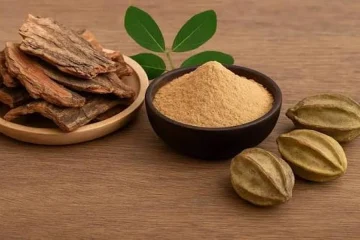
This is where the conversation needs more nuance. Ayurveda has traditionally used several herbs in formulations intended to support digestion and liver wellness. Two that frequently appear in modern liver products are Kutki (Picrorhiza kurroa) and Bhui Amla (Phyllanthus niruri). Both have attracted scientific interest, but neither should be treated as a shortcut around the lifestyle factors above.
Kutki: traditional liver use with emerging modern research
Kutki has a long history of use in Ayurveda and has been researched for potential hepatoprotective activity.
A scientific review published in the Journal of Ayurveda and Integrative Medicine examined the traditional use and modern pharmacological research around Picrorhiza kurroa, particularly its compounds known as picrosides. The authors concluded that the herb has enough biological and traditional rationale to justify further development for fatty liver, while also emphasising the need for proper standardisation and stronger clinical translation.
So, does Kutki help the liver? There is a plausible evidence base and long-standing Ayurvedic use, but the modern clinical evidence is not strong enough to treat Kutki as a proven standalone treatment for fatty liver.
Bhui Amla may actually be the more interesting case
Bhui Amla has also been used traditionally for liver wellness, but here we have newer human research directly involving fatty liver.
A 12-month randomized, double-blind, placebo-controlled trial studied a standardized Phyllanthus niruri extract in 226 adults with mild-to-moderate fatty liver. Researchers did not find a significant difference between the herb and placebo in liver-fat measurements or liver enzymes. They did, however, report an improvement in fibrosis score in the intervention group. The authors concluded that further research was needed. That result is useful precisely because it is not a perfect success story.
It shows why Ayurvedic ingredients should be discussed as research subjects rather than converted immediately into promises. Bhui Amla may have biological activity worth investigating, but one study does not establish it as a treatment for fatty liver.
The evidence, in other words, is still developing.
What happens when these herbs appear in a formulation rather than alone?
Consumers rarely buy isolated Kutki or Bhui Amla in the quantities used in clinical research. More often, they encounter them inside multi-herb formulations.
That matters because research on one herb cannot automatically be transferred to the finished product.
Kapiva Liver Care Juice, for example, brings Bhui Amla and Kutki together with Kalmegh, Haldi and Aloe Vera. The formulation is positioned as Ayurvedic support for liver health and fatty-liver management rather than as a replacement for lifestyle change. Kapiva currently recommends 30 ml diluted in water twice daily before meals.
That is a more sensible way to look at these products: as something that may sit alongside a liver-health routine, rather than something designed to erase the effects of that routine.
Do liver detox juices actually do anything?
The answer depends heavily on what “detox” is supposed to mean.
If it means that a juice can flush out alcohol after a night of drinking or undo a week of poor eating, there is no good scientific basis for that idea.
If the product contains herbs traditionally used for liver wellness, then the more useful question is whether those ingredients have credible research behind them and whether the finished formulation is transparent about what it contains.
Even then, herbs do not replace the behaviours with the strongest evidence. For someone concerned about fatty liver, current medical guidance continues to prioritise diet quality, regular activity, weight management where relevant, and limiting or avoiding alcohol. Herbal products belong further down that hierarchy.
Your liver responds more to patterns than to rescue attempts
That may be the simplest way to think about liver wellness. A weekend of takeaway does not require a Monday cleanse. An occasional drink does not mean a supplement has to “cancel it out.” What matters far more is the pattern that repeats for months and years.
Ayurvedic herbs such as Kutki and Bhui Amla have genuine traditional relevance and an emerging scientific literature behind them. Their role is best understood as supportive, with expectations kept realistic.