Can Invisalign Fix Bite Problems? What Patients Should Know
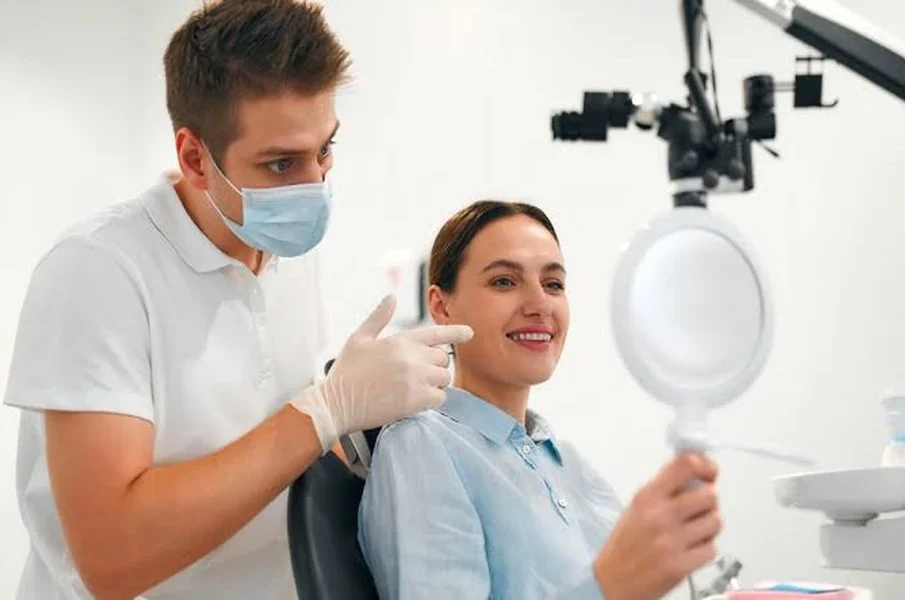
Bite problems, also known as malocclusions, can affect more than just the appearance of your smile. They may lead to difficulty chewing, uneven tooth wear, jaw discomfort, and challenges with maintaining proper oral hygiene. Fortunately, modern orthodontic treatments such as Invisalign have made it possible to correct many bite issues using clear, removable aligners.
However, Invisalign is not the right solution for every type of bite problem. Understanding what Invisalign can and cannot treat helps patients make informed decisions about their orthodontic care. For patients in Ontario, an early orthodontic evaluation can determine whether it is an appropriate treatment option for their specific needs.
Understanding Bite Problems
A healthy bite occurs when the upper and lower teeth fit together properly. When teeth or jaws are misaligned, bite problems can develop, affecting both oral function and long-term dental health.
Common bite problems include:
- Overbite
- Underbite
- Crossbite
- Open bite
- Crowded teeth
- Spacing issues
Some bite concerns are primarily cosmetic, while others may affect chewing, speech, jaw comfort, or increase the risk of tooth damage.
How Does Invisalign Work?
Invisalign uses a series of custom-made clear aligners that gradually move teeth into their desired positions. Each set of aligners is worn for approximately one to two weeks before progressing to the next set.
Unlike traditional braces, Invisalign aligners are removable, allowing patients to:
- Eat without food restrictions
- Brush and floss more easily
- Remove aligners for special occasions
- Maintain a more discreet appearance during treatment
Treatment is carefully planned using digital scans and customized movement sequences designed for each patient’s smile.
Which Bite Problems Can Invisalign Treat?
Advances in clear aligner technology have made Invisalign effective for many common orthodontic concerns.
Mild to Moderate Overbite
An overbite occurs when the upper front teeth overlap the lower front teeth excessively.
In many mild to moderate cases, Invisalign can gradually improve tooth positioning and bite alignment.
Mild Underbite
An underbite occurs when the lower teeth extend in front of the upper teeth.
Some mild underbites may respond well to Invisalign, depending on whether the problem is caused by tooth positioning rather than jaw structure.
Crossbite
A crossbite develops when some upper teeth sit inside the lower teeth instead of outside them.
Invisalign may successfully correct certain crossbite cases and reduce uneven tooth wear.
Open Bite
An open bite occurs when the upper and lower front teeth do not touch when the mouth is closed.
Selected open bite cases may respond well to Invisalign treatment when properly planned.
Crowding and Spacing
Invisalign is commonly used to correct:
- Mild to moderate crowding
- Gaps between teeth
- Uneven tooth alignment
Improving alignment can also contribute to a healthier bite.
When Invisalign May Not Be the Best Option
Although Invisalign is highly effective for many patients, more complex orthodontic conditions may require alternative treatment approaches.
Examples include:
- Severe jaw discrepancies
- Significant skeletal bite problems
- Complex tooth rotations
- Cases requiring extensive tooth movement
- Certain surgical orthodontic treatments
A comprehensive orthodontic evaluation helps determine the most appropriate treatment plan.
Key Factors That Affect Invisalign Success
Several factors influence whether Invisalign is an effective solution for bite correction.
Consistent Aligner Wear
Patients are typically advised to wear their aligners for 20 to 22 hours each day. Inconsistent wear may delay treatment or reduce effectiveness.
Complexity of the Bite Problem
Mild and moderate bite concerns are generally more predictable than severe skeletal issues.
Patient Age
Both teenagers and adults may benefit from Invisalign, although treatment recommendations vary depending on growth and individual circumstances.
Oral Health
Healthy gums and teeth provide a strong foundation for successful orthodontic treatment. Existing dental issues should be addressed before beginning Invisalign whenever possible.
Prevention and Treatment Considerations
Orthodontic treatment is one part of maintaining long-term oral health.
Prevention Tips
- Attend routine dental examinations.
- Brush and floss thoroughly every day.
- Wear retainers as instructed after orthodontic treatment.
- Address dental concerns promptly.
- Protect teeth during sports with an appropriate mouthguard.
Related Dental Treatments
Depending on individual needs, your dentist may also recommend:
- Family dentistry
- Cosmetic dentistry
- Dental bonding
- Veneers
- Crowns
- Teeth whitening after orthodontic treatment
A comprehensive treatment plan helps ensure both healthy function and an attractive smile.
What to Expect During an Invisalign Consultation
Comprehensive Examination
Your dentist evaluates your bite, tooth alignment, jaw function, and overall oral health.
Digital Imaging
Digital scans or X-rays help assess the position of the teeth and determine whether Invisalign is suitable.
Personalized Treatment Plan
If Invisalign is appropriate, your dentist develops a customized treatment plan showing how your teeth are expected to move over time.
Aligner Delivery
Custom aligners are provided along with instructions for proper wear and care.
Regular Progress Visits
Periodic appointments allow your dentist to monitor progress and make adjustments if needed.
Local Considerations for Ontario Patients
Ontario patients experiencing bite problems should consider seeking an orthodontic evaluation before symptoms worsen or contribute to additional dental concerns. Early assessment can help identify whether Invisalign or another orthodontic treatment is the most appropriate solution.
Patients interested in correcting bite alignment may benefit from visiting a dental clinic in Cambridge, ON for a comprehensive evaluation and personalized treatment recommendations.
Depending on the type and severity of the bite issue, your dentist may discuss Invisalign treatment in Cambridge, family dentistry, or other orthodontic and restorative services as part of a complete oral health plan.
Frequently Asked Questions
Can Invisalign fix an overbite?
Yes. Invisalign can successfully treat many mild to moderate overbites, depending on the underlying cause and complexity of the case.
Is Invisalign as effective as braces for bite problems?
Invisalign can be highly effective for many orthodontic concerns. However, some complex bite problems may be better treated with traditional braces or other orthodontic approaches.
How long does Invisalign treatment take?
Treatment time varies depending on the complexity of the case. Your dentist or orthodontist will provide a personalized estimate during your consultation.
Does Invisalign hurt?
Patients may experience mild pressure or temporary discomfort when switching to a new set of aligners. This typically improves within a few days.
Can adults use Invisalign to correct bite problems?
Yes. Invisalign is commonly used by adults seeking to improve both the appearance and function of their smile.
How do I know if Invisalign is right for me?
A comprehensive dental examination, including digital imaging, is the best way to determine whether Invisalign is suitable for your specific bite concerns.
Final Thoughts
Invisalign has become an effective treatment option for many common bite problems, including mild to moderate overbites, underbites, crossbites, open bites, and spacing issues. While not every orthodontic condition can be corrected with clear aligners, many patients benefit from the combination of comfort, convenience, and discreet appearance that Invisalign provides.
Seeking a professional evaluation at Cambridge Centre Dental Care is the first step toward determining the most appropriate treatment for your bite. Regular dental checkups and professional guidance from our experienced team can help patients maintain long-term oral health and address concerns before they become more serious.