Safed Musli and Energy: Understanding Ayurveda’s Answer to Modern Fatigue
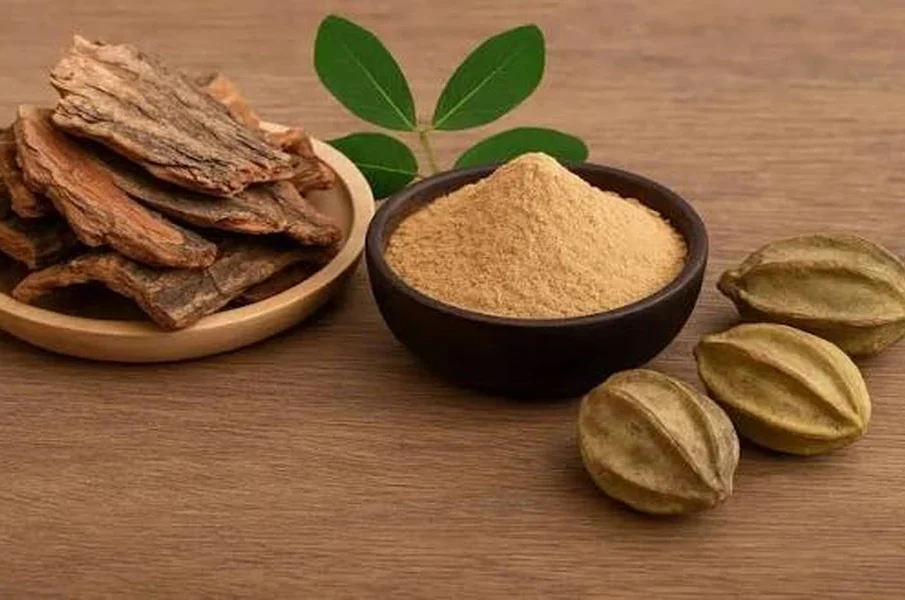
Fatigue has become one of the defining health complaints of contemporary life. The combination of sustained psychological stress, disrupted sleep, nutritional gaps from convenience-dominated diets, sedentary behaviour, and the cumulative demands of modern professional and family life produces a form of fatigue that is not simply resolved by rest. This chronic, multi-causal fatigue – characterised by persistent low energy, reduced motivation, impaired recovery from physical and mental demands, and a general sense of depleted vitality – is precisely the condition that Ayurvedic practitioners have addressed with adaptogenic botanicals for centuries.
Safed musli – whose सफेद मूसली के फायदे for energy and vitality are among its most celebrated traditional properties – addresses fatigue through mechanisms that are consistent with what we now understand about the physiological basis of chronic fatigue. Its saponin compounds influence the hormonal environment in ways that support energy metabolism. Its antioxidant content reduces the oxidative load that impairs mitochondrial function. Its mineral content supports the enzymatic processes involved in energy production. And its adaptogenic properties help the body manage the allostatic load that underlies much chronic fatigue.
The Hormonal Dimension of Fatigue
Chronic fatigue frequently has a hormonal component that is often underrecognised in conventional medical assessment. Cortisol dysregulation – either chronically elevated cortisol from sustained stress or the paradoxically low cortisol that can result from prolonged stress response activation – significantly affects energy levels, motivation, and recovery capacity. Thyroid function, testosterone levels in men, and oestrogen-progesterone balance in women all influence energy metabolism in ways that can produce fatigue when disrupted.
Safed musli addresses these hormonal dimensions through multiple pathways. Its saponin fraction influences steroidogenic enzyme activity in ways that support both cortisol regulation and sex hormone production. safed musli ke fayde for hormonal balance extend beyond simple testosterone support to include broader effects on the endocrine environment that determines energy availability and resilience. This multi-hormone influence is consistent with the traditional categorisation of safed musli as a Rasayana – a class of Ayurvedic medicines specifically used for systemic rejuvenation and vitality restoration.
Physical Energy and Stamina
The anti-fatigue effects of safed musli in physical contexts are among its best-documented properties. Studies examining exercise performance and recovery have found consistent improvements in endurance capacity, reduced subjective fatigue during and after exercise, and faster physiological recovery as measured by markers like lactate clearance and oxidative stress markers. These effects are relevant both to athletes seeking performance enhancement and to non-athletes seeking to improve their functional capacity and reduce the fatigue associated with ordinary physical activity.
The mechanism involves multiple pathways: enhanced glycogen utilisation during exercise, improved mitochondrial efficiency, reduced exercise-induced oxidative stress, and faster restoration of hormonal balance following physical exertion. Together, these effects translate into the subjective experience of having more energy available for physical activity and recovering more quickly from exertion – exactly the outcomes that the traditional use of safed musli as a vitality tonic was intended to produce.
Mental Energy and Cognitive Vitality
Less documented but equally important is safed musli’s potential contribution to mental energy and cognitive function. The same hormonal and metabolic factors that drive physical fatigue also affect cognitive performance – concentration, memory, processing speed, and the ability to sustain mental effort. The adaptogenic properties that support physical energy and hormonal balance logically extend to cognitive vitality, and the subjective reports of users consistently include improvements in mental clarity and cognitive stamina alongside physical energy improvements.