Mobile Medical Trailers as Engineered Platforms for Community Care Delivery
Introduction
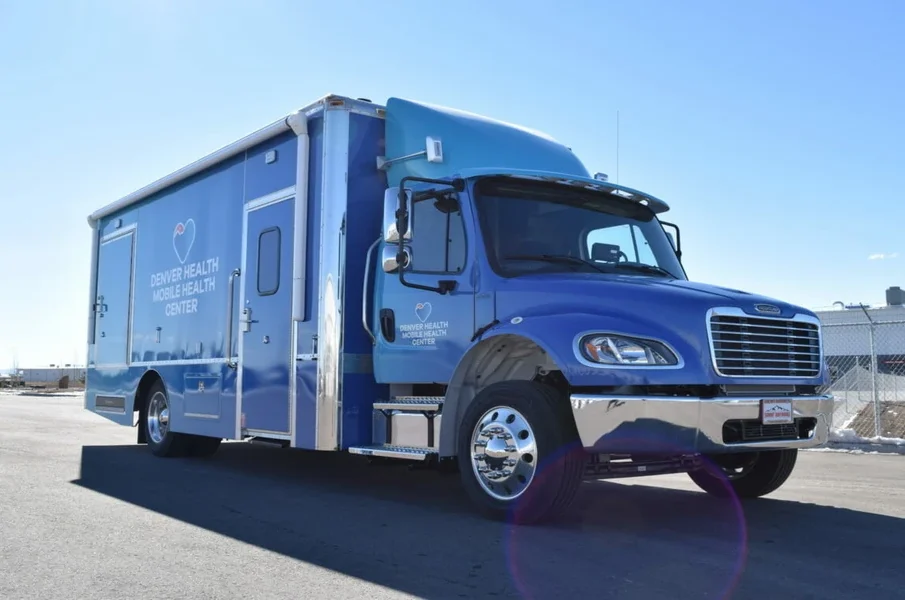
Mobile medical trailers are specially engineered healthcare units designed to bring medical services directly to communities. They help healthcare professionals provide quality care in rural areas, schools, workplaces, disaster-affected locations, and community events. These trailers improve healthcare access by reducing travel barriers and making essential medical services available closer to patients. Their practical design, advanced engineering, and flexible features allow healthcare providers to deliver reliable care in different environments. As community healthcare needs continue to grow, mobile medical trailers play an important role in expanding access to quality medical services.
When built to precise technical specifications, mobile medical trailers as engineered solutions combine heavy-duty structural durability with advanced clinical functionality. This tailored approach enables medical teams to operate specialized diagnostic equipment, run climate-controlled environments, and maintain consistent power integration regardless of the terrain or road conditions. By bridging the gap between rugged transport and hospital-grade infrastructure, these platforms ensure that healthcare providers never have to compromise on quality when taking their services on the road.
Improve Healthcare Accessibility
One of the greatest advantages of mobile medical trailers is their ability to reach communities with limited healthcare facilities. They make it easier for patients to receive routine checkups, health screenings, preventive care, vaccinations, and basic medical services without traveling long distances. Improved accessibility encourages early diagnosis and timely treatment, helping improve public health and reducing the burden on traditional healthcare facilities.
Design for Efficient Medical Services
The engineering of mobile medical trailers focuses on creating efficient and functional healthcare environments. Examination rooms, storage spaces, and medical equipment should be arranged to support smooth daily operations. Reliable electrical systems, clean water supplies, proper ventilation, and adequate lighting help healthcare professionals provide quality care. A well-planned layout improves workflow while creating a comfortable experience for patients.
Maintain Safety and Hygiene Standards
Safety and hygiene are essential in every mobile medical trailer. Medical equipment should be securely stored during transportation, while surfaces should be easy to clean and disinfect. Proper waste disposal systems, handwashing facilities, and regular sanitation procedures help reduce the risk of infection. Routine maintenance and safety inspections also ensure the trailer remains ready for reliable healthcare delivery.
Support Community Healthcare Programs
Mobile medical trailers can support a wide range of community healthcare programs. They provide preventive healthcare, routine health screenings, health education, vaccination programs, and basic medical services. Regular outreach visits help healthcare professionals connect with local communities and encourage people to seek medical care before health conditions become more serious. These services contribute to healthier communities over time.
Plan for Long-Term Performance
Mobile medical trailers should be built using durable materials that can withstand frequent travel and continuous use. Regular maintenance, equipment inspections, and timely repairs help maintain reliable performance. Flexible interior designs also allow future upgrades as healthcare technology and community needs continue to change. Long-term planning ensures the trailer continues providing dependable healthcare services for many years.
Conclusion
Mobile medical trailers are valuable engineered platforms that improve healthcare access and strengthen community care delivery. Their ability to provide efficient medical services, maintain high safety standards, support community health programs, and deliver reliable long-term performance makes them an important part of modern healthcare outreach. Delivering quality healthcare directly to underserved communities allows mobile medical trailers to improve public health, strengthen patient confidence, and increase access to essential medical services in diverse locations.