How Social Media Influences Drinking Habits
Social Media and Alcohol Marketing
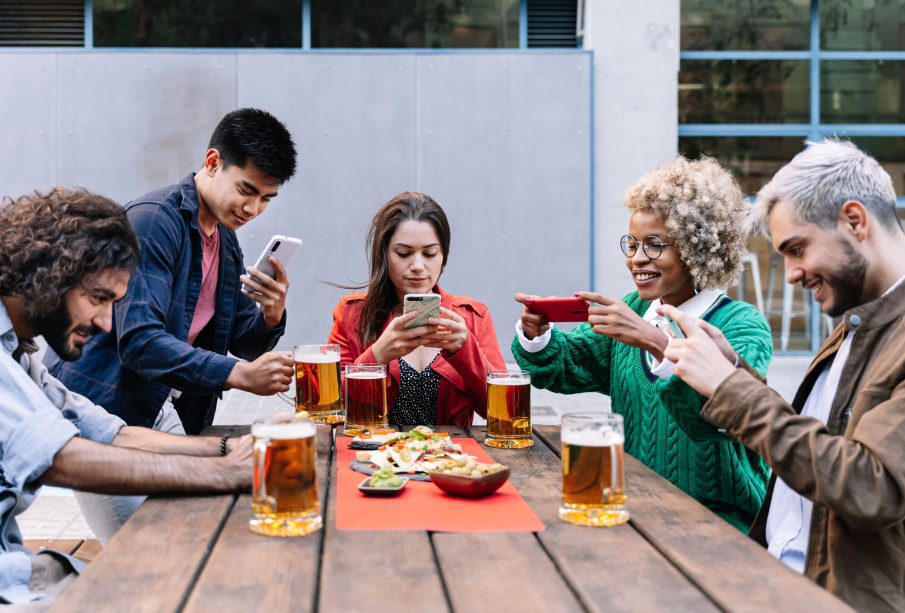
Scroll through any social platform and you’ll notice how frequently alcohol appears. Advertisers target users with sophisticated campaigns that make drinking look glamorous and fun. Influencers post pictures with craft cocktails or beer at concerts, creating an aspirational lifestyle. Peer-generated content—memes about “wine o’clock” or jokes about drinking to cope—normalizes heavy consumption. This constant exposure can make it seem like everyone is drinking all the time, reinforcing the idea that alcohol is central to socializing and relaxation.
Younger audiences are particularly vulnerable. They are still developing critical thinking skills and may imitate what they see online without recognizing the marketing motives behind it. Marketing algorithms can also reinforce harmful messages by continuously serving you alcohol-related content once you’ve engaged with a single post.
Peer Pressure and FOMO
Beyond advertising, social media magnifies peer influence. Seeing friends at parties or bars can create a fear of missing out (FOMO), leading you to drink to feel included. Viral challenges and hashtags sometimes encourage people to consume large quantities of alcohol on camera. In online communities, people may downplay the negative consequences of drinking, further skewing perception. This social validation can make it harder for someone in recovery to stick to their goals.
Recognizing how FOMO triggers cravings empowers you to make conscious choices. Acknowledge that photos rarely show the downsides of drinking—the hangovers, the financial strain, the damaged relationships. Deciding not to participate in these digital narratives is an act of self-care, not isolation.
Creating a Supportive Digital Environment
It’s possible to harness social media for good by curating your feed and setting boundaries. Unfollow or mute accounts that encourage heavy drinking or make you feel pressured to drink. Seek out sober influencers and recovery communities that share inspiring stories and practical advice. Use privacy settings to reduce targeted ads. Above all, balance your online interactions with real-life support: call a friend, attend a meeting, or go outside for a walk when cravings strike.
- Limit screen time to prevent endless scrolling and reduce exposure to triggering content.
- Follow accounts that promote healthy habits, mindfulness, and sober living.
- Question the authenticity of posts that glamorize excessive drinking and remember that social media is curated.
- Engage with online recovery groups and forums for encouragement and accountability.
Building Resilience Offline
While curating your digital space is important, much of recovery happens away from screens. Strengthen your resilience by cultivating hobbies and relationships in the physical world. Join a sports league, take up painting, or learn a new instrument to channel your energy into meaningful activities. Spend time with friends and family who support your sobriety and understand your boundaries. Outdoor experiences—like hiking, gardening, or spending time by the ocean—can reduce stress and remind you of life’s richness beyond social media. By grounding yourself in real-world connections, you’ll be less influenced by online trends and more confident in your choices.
Conclusion
Social media wields enormous influence over drinking habits, but you have the power to curate your experience. By understanding marketing tactics, recognizing peer pressure, and intentionally building a supportive digital environment, you can protect your sobriety and mental health. If you need additional help navigating triggers—online or offline—consider reaching out to a rehab for alcohol program that offers guidance, community, and coping strategies tailored to your journey.