Why the Sanctity of Human Life Still Matters in Healthcare Decisions
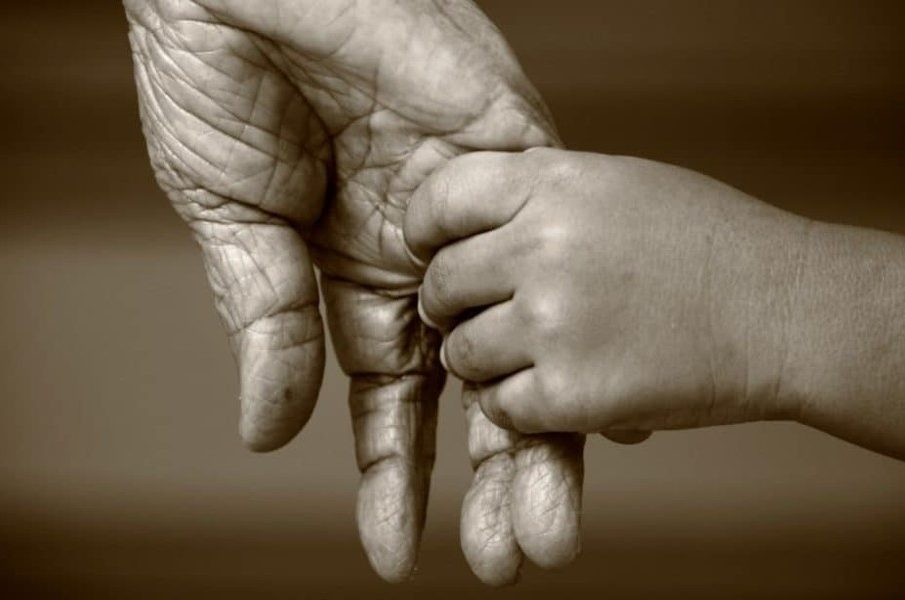
The concept of the sanctity of human life is fundamental in various ethical discussions, especially in healthcare. This principle asserts that all human life holds intrinsic value and deserves respect and protection. The sanctity of life is deeply rooted in various religious and philosophical traditions, emphasizing that life is a gift that should not be taken lightly.
In healthcare, this principle influences decisions regarding treatment options, end-of-life care, and resource allocation. It serves as a guiding framework for healthcare professionals, patients, and families when navigating complex medical scenarios. Understanding the sanctity of human life is crucial for those involved in healthcare, as it fosters an environment of compassion and ethical responsibility.
The Dignity of Human Life in Healthcare
The dignity of human life complements the sanctity of life, reinforcing the idea that every individual deserves respect and humane treatment. Healthcare providers are tasked with upholding this dignity, ensuring that patients receive care that honors their worth as human beings.
In practice, recognizing the dignity of human life means:
- Providing compassionate care that respects individual values and beliefs.
- Involving patients and families in decision-making processes.
- Ensuring equitable access to healthcare services.
When healthcare decisions are made with an understanding of the dignity of human life, the care provided is more holistic and respectful of the individual’s needs and circumstances.
The Role of Pro-Life Education
Pro-life education plays a pivotal role in shaping attitudes and understanding regarding the sanctity of human life. Educational programs that focus on this topic help instill values that prioritize life at all stages.
Structured education and certification programs, provide learners with the knowledge and skills necessary to advocate for life-affirming choices in healthcare. These programs often cover:
- Ethical theology: An exploration of moral philosophy and its application to life issues.
- Catholic teachings on life: Insights into how faith informs our understanding of life’s value.
- Practical applications of pro-life principles in healthcare settings.
By engaging in pro-life education, students and advocates develop a deeper comprehension of the ethical implications surrounding healthcare decisions, enabling them to make informed choices that align with their values.
Ethical Theology and Its Impact on Healthcare Decisions
Ethical theology serves as a foundation for understanding the moral dimensions of healthcare. It provides a framework for evaluating choices based on respect for human life and dignity. The teachings of various religious traditions, particularly Catholic theology, emphasize the importance of life and the moral obligation to protect it.
Key aspects of ethical theology in healthcare include:
- The moral obligation to preserve life: Healthcare providers are often faced with dilemmas where they must balance medical interventions with the potential for suffering. Ethical theology guides practitioners in making decisions that respect the sanctity of life.
- The importance of intention: In healthcare, the intention behind actions is critical. Ethical considerations often hinge on whether the aim is to promote life or alleviate suffering, with a preference for actions that preserve life whenever possible.
- The value of community: Ethical theology encourages a communal approach to healthcare, emphasizing the role of family, faith communities, and society in supporting life-affirming choices.
- By integrating ethical theology into healthcare practices, professionals can navigate complex moral landscapes with a clear understanding of their responsibilities to patients and society.
Catholic Teachings on Life
Catholic teachings provide a robust framework for understanding the sanctity of human life. The Church emphasizes that life is sacred from conception until natural death. This belief is grounded in scripture and tradition, reinforcing the idea that every human being is created in the image of God.
Important teachings include:
- The principle of double effect: This ethical guideline allows for actions that may have both a positive and negative effect, provided the intention is to achieve a good outcome. This principle is often applied in end-of-life care discussions.
- The call to protect the vulnerable: The Church advocates for the protection of those who cannot advocate for themselves, including the unborn, the elderly, and those with disabilities.
- The promotion of social justice: Catholic teachings encourage a holistic view of life that extends beyond individual care to encompass societal issues that affect the dignity and sanctity of life.
- By grounding healthcare decisions in these teachings, practitioners can foster a culture of life that respects and protects all individuals.
The Value of Human Life in Modern Healthcare
In an era marked by rapid advancements in medical technology and ethical challenges, reaffirming the value of human life is essential. The sanctity of human life must remain central to healthcare policies and practices to ensure that advancements serve humanity and not the other way around.
Key considerations include:
- Patient-centered care: Emphasizing the individual’s needs and values in treatment plans helps uphold the sanctity of life.
- Ethical decision-making frameworks: Establishing clear guidelines for healthcare providers can help navigate the moral complexities of modern medicine.
- Advocacy for life-affirming policies: Engaging in policy discussions and advocating for legislation that reflects the value of human life can influence the broader healthcare landscape.
- By prioritizing the value of human life, healthcare systems can create environments that honor the dignity and sanctity of every individual.
Cultivating an Ethical Awareness through Education
Structured education and certification programs are vital in cultivating ethical awareness surrounding the sanctity of human life. These programs not only equip individuals with knowledge but also foster a culture of respect and compassion in healthcare settings.
Participants in such programs can expect to:
- Engage in critical discussions about ethical dilemmas in healthcare.
- Learn about the historical and philosophical underpinnings of pro-life values.
- Develop skills to advocate for life-affirming choices in various contexts.
Education that emphasizes the sanctity of human life prepares future healthcare professionals to navigate the complexities of medical ethics with integrity and compassion.
Embracing a Culture of Life in Healthcare
Ultimately, the sanctity of human life matters in healthcare decisions because it underpins the ethical principles that guide practice. By embracing a culture of life, healthcare professionals, educators, and advocates can work together to promote respect, dignity, and compassion in all aspects of care.
Incorporating the teachings of ethical theology and Catholic values into healthcare education and practice can lead to a more humane and ethical healthcare system. As society continues to grapple with complex life issues, reaffirming the sanctity of human life remains essential for fostering a compassionate and just healthcare environment.