
Concussion Brain Scan Treatments: What I Wish I Knew
Key Takeaways
Often, conventional treatments for concussions concentrate on symptoms, neglecting the essential root causes, which can lead to subpar recovery solutions. Traditional imaging techniques like CT and MRI frequently miss the subtle brain injuries and functional impairments that are crucial for effective treatment.
Advanced neuroimaging technologies can shine a light on how the brain functions instead of just its structure, providing a better understanding of the effects of concussions. Integrative strategies, including cognitive assessments and personalized interventions, are vital for a successful recovery from concussions.
The Concussion Rescue Protocol from Amen Clinics utilizes a three-step recovery process that emphasizes restoring brain function rather than just managing symptoms. Each step complements the previous one, utilizing thorough evaluations and advanced imaging to customize treatment plans.
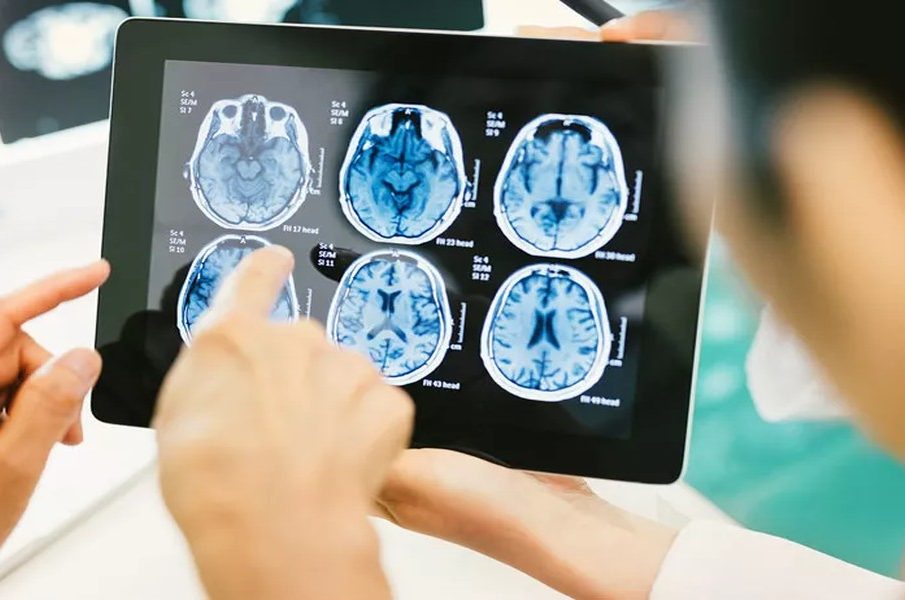
Techniques like SPECT scans can identify irregular blood flow and brain activity, delivering more precise indicators of functional impairments. By integrating AI with neuroimaging, we can improve treatment results by recognizing patterns that indicate the severity of a concussion and predict recovery timelines.
Success stories abound, showcasing the remarkable effectiveness of these innovative concussion treatments, as patients report substantial improvements in cognitive function and overall quality of life. On the flip side, neglecting concussion symptoms can result in severe long-term issues, including chronic mood disorders and memory impairment.
Why Conventional Treatments for Concussions Often Miss the Mark
Here’s the truth: when folks think about concussions, they usually envision a football player, disoriented, wobbling off the field. The reality? Conventional treatments frequently miss the target. Most of the time, they’re all about symptoms instead of addressing underlying causes. Picture this: you get a CT scan or an MRI, and you’re supposed to feel relieved. But those scans often don’t capture the finer details. I’ve seen it happen a lot; standard imaging techniques are often blind to the brain’s real vulnerabilities.
The Limitations of Standard Imaging Techniques
CT and MRI scans can overlook subtle injuries. Seriously, these methods don’t always suffice for revealing particular types of brain trauma. Here’s the twist: they frequently miss functional impairments that could be crucial for recovery. That’s a big problem. There’s a massive difference between recognizing something is wrong and truly understanding its impact on your life.
- Standard scans focus on structural damage, neglecting functional issues.
- Commonly overlooked indicators can lead to misdiagnosis.
- Patients often leave without a complete view of their injury.
Relying strictly on these traditional methods? That’s like being blindfolded. More often than not, patients find themselves caught in a cycle of symptom management, without really tackling the underlying problems. You deserve more than that.
Understanding the Need for Innovative Solutions
Let’s face it; typical approaches can be lacking. When you consider the brain’s complexity, it’s hard to believe we stick with outdated tools. Why accept mediocrity? We should push for imaging that reveals the brain’s functionality. It’s about uncovering the truth hidden behind layers of confusion. That’s where innovative solutions become crucial.
- Advanced neuroimaging techniques illuminate brain function beyond mere structure.
- New apps can assist in tracking symptoms over time.
- Integrative approaches fuse medical and psychological evaluations to treat the whole person.
The pathway to concussion treatment is all about merging technology with a broader perspective. It’s time to steer the focus inward and unlock the potentials of your brain health.
What’s Involved in the Concussion Rescue Protocol?
Let’s dive into what actually works. The Concussion Rescue Protocol from Amen Clinics isn’t your run-of-the-mill treatment plan. It’s an integrative, three-step journey aimed at restoring brain function, not just managing symptoms. You’re not merely dealing with a concussive injury; you’re transforming how you recover. Curious about the specifics? Let’s break it down.
An Inside Look at the Three-Step Process
The three steps in this protocol create a clear path to recovery. Each one is well thought out, honing in on specific aspects of brain function. It’s precise. Here’s how it goes:
- Cognitive Evaluation: A thorough assessment to pinpoint areas of dysfunction.
- Targeted Neuroimaging: Advanced scans to uncover patterns in brain activity.
- Tailored Intervention: A customized treatment plan that may include lifestyle adjustments, medications, or therapy.
What you’re seeing is that this approach isn’t just about treating individual symptoms. Each step builds on the other, crafting a recovery path that feels less like a battle and more like a journey. You’ve got a plan, and that’s a big help.
How Each Step Targets Brain Health
Consider each of these steps as a building block. The cognitive evaluation lays a strong foundation-grasping your brain’s pain points is vital. Then, those neuroimaging techniques delve into how your brain functions in real-time. Finally, the tailored intervention is where personalization comes into play. You’re not just labeled as another patient; you’re you, and your recovery strategy should reflect that.
- This process recognizes that every brain is unique.
- Recovery occurs more swiftly when treatment aligns with your specific needs.
- Continuous feedback loops improve outcomes and adjust treatment as needed.
Seriously, don’t get stuck in traditional methods. Your brain deserves the absolute best. Take charge of your health.
Evidence Behind Advanced Brain Scan Technologies
We’re talking about solid evidence here, not just theory. Advanced neuroimaging has real backing, and it’s transformative. Wondering if these technologies can disrupt standard practices? Let’s have a closer look. It’s about time we view these advanced tools as essential rather than simply optional.
Comparing Traditional vs. Latest Approaches
It’s like comparing a flip phone to a smartphone. Sure, both get the job done, but their abilities are worlds apart. Traditional imaging gives you limited surface-level insights, while the latest methods like SPECT scans delve into metabolic processes. I can’t emphasize enough how crucial this difference is.
No one should rely solely on outdated methods that ignore the brain’s complexity.
So, what makes advanced brain scan technologies worthwhile?
- They can spot irregular blood flow, a key sign of functional impairments.
- These scans unveil brain activity in areas that were previously hidden.
- You walk away with actionable insights that strengthen treatment pathways.
Don’t underestimate this. Just like you wouldn’t drive a stone-age vehicle today, why stick to old imaging methods for concussion treatment?
Can AI and Neuroimaging Transform Treatment Outcomes?
AI isn’t some far-off dream; it’s actually here. Merging AI with neuroimaging offers deeper insights. These algorithms can process countless data points that a person just can’t analyze as swiftly. You might ask, how does this improve treatment outcomes? Let me break it down for you.
- AI models can identify subtle patterns related to concussion severity.
- This tech can predict recovery timelines, enhancing patient preparedness.
- Predictive analytics move care strategies from reactive to proactive.
If you’re aiming for the best chance at recovery, integrating advanced AI and neuroimaging isn’t merely a luxury; it’s a must. Ignoring these options would be a mistake.
Personal Stories: Real-Life Impact of Concussion Rescue
Sure, reading clinical research is enlightening, but nothing strikes a chord quite like personal stories. They hold power and can shift perceptions faster than you’d think. Let’s dive into some success stories that truly defy the norm and show what’s possible when choosing the Concussion Rescue Protocol.
Success Stories That Challenge the Status Quo
I recall speaking with a former athlete who struggled for years under traditional treatment without significant progress. He felt trapped in a cycle of symptoms. Then he learned about this protocol and decided to give it a shot. To his astonishment, the results were incredible. Just a few weeks in, he noticed clearer thinking, enhanced focus, and reduced anxiety. That’s the reality that often goes unnoticed.
Let’s not sugarcoat it-every success story isn’t a one-size-fits-all. Some recoveries take their time. However, those who embrace integrated solutions discover that hope can be a tangible thing. Here are a few other success stories:
- A mom who regained her multitasking abilities and effectively managed family responsibilities after her concussion.
- A teacher who found mental clarity through concussion brain scan treatments integrated into her recovery.
- A corporate executive who returned to high-pressure roles without feeling anxious.
The takeaway? Real folks are witnessing real results, making it clear this isn’t just a fleeting trend.
What Can Go Wrong if You Ignore the Signs?
You’ve heard the success stories, but what about the other side? Ignoring concussion symptoms can lead to a dark and slippery road nobody wants to tread. Seriously, pay attention to your body. You might think you’re fine, but that mindset is often dangerously misleading.
- Ignoring these signs can lead to chronic issues that change how your brain operates.
- Long-term effects might include mood disorders, memory problems, or ongoing headaches.
- Neglecting to seek out innovative treatments might stunt your recovery progress.
Sometimes the biggest mistake is believing you can just tough it out.
Keep this in mind: taking the easy route can cost you dearly in the long run. Don’t become just another statistic. Advocate for your own health.
FAQ
What kind of symptoms should I be most aware of after a concussion?
Monitoring all symptoms is key, but the primary ones to watch for typically include persistent headaches, dizziness, fatigue, and cognitive difficulties. Don’t overlook mood changes or any decline in your multitasking capacity. Catching these issues early can significantly enhance recovery outcomes.
How do integrative approaches differ from traditional treatments?
Integrative approaches focus on treating the whole person, combining medical and psychological evaluations tailored specifically to your needs. In contrast, traditional treatments often zero in on symptoms alone, potentially missing larger issues. In short, it’s about addressing the root cause, not just the symptoms.
What are some common pitfalls patients fall into during recovery?
A major pitfall includes not allowing yourself to rest or pushing through symptoms in hopes of faster recovery. Likewise, relying only on medications without considering lifestyle changes or therapy can be problematic. Patience and a comprehensive plan are essential; remember, recovery is not a sprint.
Can lifestyle changes really impact recovery outcomes?
Absolutely! Factors like nutrition, sleep, and stress management are crucial to brain health. Implementing practices such as mindfulness or yoga can boost cognitive function and emotional well-being. Never underestimate the influence of a healthy routine during your recovery journey.
What role does follow-up care play in concussion recovery?
Follow-up care is essential. It makes sure your treatment plan remains effective and lets you adjust based on ongoing assessments. Regular check-ins help identify lingering issues before they escalate, keeping your recovery right on track.
Are there specific treatments for long-term symptoms from concussions?
Yes, addressing long-term symptoms often requires a specialized approach. Cognitive therapy, potential medication adjustments, or even alternative treatments like acupuncture can be beneficial. Each situation is unique, so partnering closely with a healthcare professional for a personalized plan is crucial.
How can I advocate for better treatment options for concussions?
Begin with educating yourself on the latest advancements and pushing your healthcare providers for more. Don’t settle for outdated methods that aren’t getting you results. The more informed you are, the more effectively you can demand thorough evaluations and innovative treatments.
What should I look for in a concussion specialist?
Seek someone experienced with advanced imaging and integrative solutions-that’s vital. They should be open to innovative methods and willing to customize your treatment plan. While credentials are important, a hands-on attitude and a genuine willingness to listen could make all the difference in your recovery process.


